Roof Installers That You Can Trust: How To Choose The Right Team For Lasting Protection
Finding roof installers that you can trust isn’t just about getting the lowest quote or hiring the first company that picks up the phone. In Essex County and across Northern New Jersey, roofs take a beating from winter ice, summer humidity, wind-driven rain, and the day-to-day wear that shows up faster on older homes and complicated rooflines. That means the team you hire has to do more than install shingles. They need to spot hidden issues, explain options clearly, and stand behind the work long after the crew leaves.
Learn more: Gikas Roofing New Jersey
We’ve seen how a good roofing decision protects not only a building, but also a budget and a lot of future stress. Whether you own a century-old home in Montclair, a multifamily property in Newark, or a commercial building that needs work phased carefully, choosing the right installer matters. Here’s how to evaluate roofing contractors with confidence in and avoid the expensive mistakes that still catch too many property owners off guard.
What Makes A Roof Installer Truly Trustworthy
Trustworthy roof installers tend to share a few habits, and none of them are flashy. They communicate clearly, inspect carefully, document what they find, and give realistic timelines instead of promises that sound a little too perfect.
A reliable contractor will explain what needs to be done and why. If decking is soft, flashing is failing, or ventilation is part of the problem, you should hear that in plain language. You shouldn’t have to decode jargon to understand where your money is going.
We’d also look for consistency. Do they show up when they say they will? Do they follow through with written estimates? Do reviews mention professionalism months after the install, not just on day one? That’s often where the real story is.
Trust also shows up in how a company handles uncertainty. Roofing can uncover hidden damage. Honest installers prepare you for that possibility before work starts rather than springing every extra cost on you mid-project. In practice, trustworthy means transparent, accountable, and steady under pressure.
Why Local Experience Matters In Essex County And Northern New Jersey
Roofing in Northern New Jersey is local in ways many homeowners don’t realize. The materials, installation methods, and project timing that make sense in one region may not fit Essex County at all.
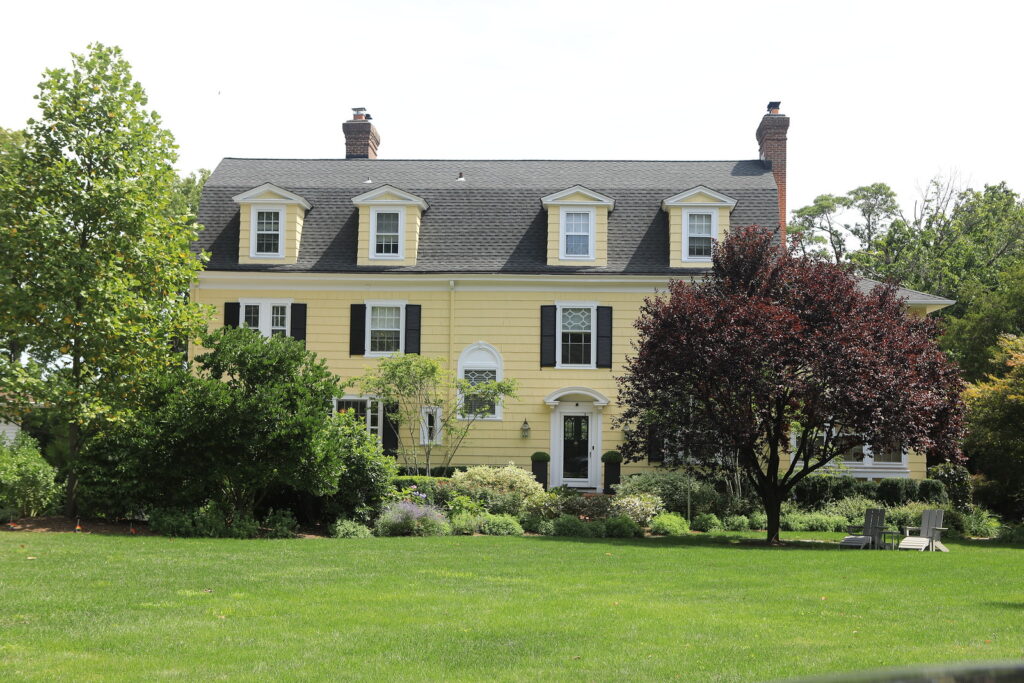
Older housing stock is a big factor here. Towns across the area have colonials, Victorians, split-levels, mixed-use buildings, and homes with additions layered on over decades. That creates roof transitions, valleys, dormers, and ventilation quirks that less experienced installers can misread.
Then there’s the weather. Freeze-thaw cycles, snow loads, heavy spring rain, and humid summers all affect roof performance. A contractor with deep local experience is more likely to recommend systems that hold up well under those specific conditions, not just whatever is easiest to sell.
Read more: GUTTER SYSTEM
Local knowledge also helps with permitting, scheduling, and neighborhood realities. Access can be tight. Driveways can be shared. Historic areas may require a little more care. Companies rooted in the region, including teams like Gikas Roofing, usually understand these details because they’ve worked on similar properties again and again. That experience lowers risk.
Credentials, Insurance, And Warranties To Verify Before You Sign
Before signing anything, verify the basics yourself. Not eventually. Not after the deposit. Before.
Start with licensing and business legitimacy. In New Jersey, a roofing contractor should be properly registered and able to provide identifying business information without hesitation. If that feels strangely difficult, that’s a red flag already.
Next, confirm insurance coverage. At minimum, ask for proof of general liability and workers’ compensation. This protects you if property is damaged or if someone is injured on site. A verbal “we’re covered” is not enough: ask for current certificates.
Warranties deserve a closer look too. There are usually two different protections:
- Manufacturer warranty for the roofing materials
- Workmanship warranty from the installer
Both matter. Great shingles installed poorly can still fail early.
We’d also ask whether the contractor is certified by major manufacturers. That can signal training and may unlock stronger warranty options. Still, certifications alone don’t guarantee quality. They need to be paired with a solid local reputation and a clearly written scope of work. If a proposal is vague about what’s covered, the warranty may be vague when you need it most.
How A Thorough Roof Inspection Prevents Costly Surprises
A rushed inspection is one of the most expensive “savings” in roofing.
Read more: Glen Ridge Roofing Roofer
A thorough roof inspection should go beyond what’s visible from the driveway. Good installers examine shingles or membrane condition, flashing, underlayment risk, ventilation, drainage patterns, roof penetrations, chimney and skylight details, and any signs of moisture intrusion from inside the attic or upper floors when accessible.
Why does that matter? Because many of the biggest roofing costs are hidden until tear-off begins. Rotten decking, poor ventilation, layered old materials, and long-term leak damage can change the scope of a project fast.
We prefer inspections that come with photos and a practical explanation of findings. That gives you a real basis for comparing contractors. It also helps decide whether a full replacement is necessary now or whether phased work makes sense.
This is especially important on older homes in Essex County, where roofs may have been patched multiple times over the years. A careful pre-project inspection won’t eliminate every surprise, but it dramatically reduces the odds of major mid-job shocks, and that’s often what protects both timeline and budget.
Questions To Ask Before Hiring A Roofing Contractor
A good interview can tell you more than a polished brochure. When speaking with roof installers that you can trust, the answers should feel direct, specific, and unhurried.
Here are smart questions to ask:
- How many projects like mine have you completed in this area?
- What roofing system do you recommend, and why?
- What potential issues do you see with my roofline, decking, or ventilation?
- Who supervises the job on site each day?
- How do you handle weather delays?
- What happens if hidden damage is found during tear-off?
- Will you provide a written estimate and written warranty?
- How will cleanup and property protection be handled?
- Can the work be staged if budget or occupancy requires it?
Listen for specifics, not sales talk. A strong contractor can explain tradeoffs between materials, timeline, and cost without getting defensive.
We’d also ask for recent references from projects similar to yours. A contractor who does excellent work on simple ranch homes may not be the best fit for a steep, cut-up roof or an occupied commercial property. Fit matters. The best hire is rarely just the most available one.
Read more: GET A QUOTE
How Staged Roofing Projects Can Help Manage Budget And Timing
Not every roofing project has to happen all at once. In fact, staged roofing can be a smart option for homeowners and property owners dealing with large roofs, multiple structures, older sections with different wear patterns, or tighter annual budgets.
A staged approach means prioritizing the most vulnerable or failure-prone areas first, then scheduling later phases in a planned sequence. Done well, this can spread cost over time while still protecting the building envelope where it matters most.
But staging only works if the plan is thoughtful. You need a contractor who can identify which sections are urgent, which can safely wait, and how temporary transitions will be handled to avoid water intrusion. This isn’t a shortcut. It’s a strategy.
For properties in Northern New Jersey, staging can also help around weather windows, tenant occupancy, or business operations. Some local companies, including Gikas Roofing, specifically offer flexible staging options because not every owner can pause life or operations for one large all-at-once replacement.
The key is documentation: a written phase plan, material continuity, and clear expectations for timing, pricing, and risk between stages.
Warning Signs That A Roof Installer May Not Be Reliable
Some warning signs are obvious. Others are easy to ignore when you’re in a hurry after a leak or storm.
Be cautious if a contractor:
- Pressures you to sign immediately
- Demands a large cash payment upfront
- Avoids providing proof of insurance
- Gives a vague estimate with few line items
- Won’t put warranty terms in writing
- Has no verifiable local address or recent local references
- Changes the story from one conversation to the next
- Suggests skipping permits when permits are required
Another common issue is poor inspection discipline. If someone glances at your roof for five minutes and declares a full replacement with total confidence, slow down. That’s not expertise: that’s often a script.
Read more: COMMERCIAL ROOFING
Storm-chasing behavior is another concern in New Jersey after severe weather. Out-of-area crews may appear quickly, offer aggressive deals, and disappear just as fast when follow-up service is needed.
A dependable roofing contractor doesn’t need pressure tactics. Their process, paperwork, and reputation do the convincing. If something feels off early, it usually doesn’t get better once work begins.
What To Expect During Installation On Older Homes And Complex Rooflines
Older homes and architecturally complex roofs almost always require more planning than newer, straightforward structures. That doesn’t mean trouble, it just means the installer needs to know what they’re looking at.
On older homes, crews may uncover brittle decking, outdated ventilation, multiple roofing layers, failing flashing around chimneys, or areas where past repairs were more cosmetic than structural. These conditions aren’t unusual in Northern New Jersey. What matters is how the contractor prepares for them.
Complex rooflines add labor and precision requirements. Valleys, dormers, hips, intersecting sections, skylights, cupolas, and steep pitches all create more edges, transitions, and leak-risk points. Installation quality at those details matters as much as the shingles themselves.
During the project, expect more setup, more protective measures, and more communication than you’d see on a simple roof. There may be phased tear-off areas, targeted decking replacement, and material staging that takes access limitations into account.
We think the best installers explain this upfront. They don’t pretend an older slate-era colonial and a basic suburban ranch should be priced, or managed, the same way. Because they shouldn’t.
How To Compare Roofing Estimates Without Focusing Only On Price
Comparing roofing estimates can get confusing fast, especially when one bid is dramatically cheaper than the others. But low price alone usually doesn’t mean better value. Sometimes it means missing scope.
Read more: Clifton Roofing Roofer
Look at what each estimate actually includes:
- Tear-off and disposal details
- Underlayment type
- Ice and water shield coverage
- Flashing replacement scope
- Ventilation improvements
- Decking replacement allowances
- Cleanup methods
- Warranty terms
- Estimated schedule
If one proposal is thin on detail, ask for clarification in writing. Apples-to-apples comparison matters.
We’d also compare the contractor’s inspection quality and communication style. Did they identify the same problem areas? Did they explain options clearly? Did they mention staging if that might help? A better estimate often reflects a better process.
For commercial owners or homeowners with older properties, value also includes disruption management. A slightly higher estimate from an experienced local installer may save money later by preventing leaks, delays, and callback issues.
Price matters, of course. But roofing is one of those jobs where the cheapest number can become the most expensive decision by next season.
Conclusion
Choosing roof installers that you can trust comes down to more than reviews or a fast quote. It’s about local experience, careful inspection, verified credentials, clear communication, and a proposal that makes sense for your actual building, not an imaginary standard roof.
In Essex County and across Northern New Jersey, those details matter even more on older homes, complex rooflines, and projects that need to be staged thoughtfully. If a contractor is transparent before the contract, they’re more likely to be dependable after the install too. And that’s really the goal: lasting protection, fewer surprises, and a roof you don’t have to worry about every time the forecast turns ugly.
Key Takeaways
- Trustworthy roof installers in Essex County prioritize clear communication, thorough inspections, and realistic timelines to protect your investment.
- Local experience is crucial for roofing in Northern New Jersey due to unique weather conditions and older, complex roof structures.
- Always verify a contractor’s licensing, insurance, and warranties before signing any agreement to ensure proper protection and accountability.
- A detailed roof inspection that includes checking ventilation, flashing, and decking significantly reduces costly surprises during installation.
- Ask specific questions about experience, project supervision, and handling unexpected issues to gauge a roofing contractor’s reliability.
- Comparing detailed written estimates and considering value over price alone helps avoid expensive mistakes and ensures a quality roof installation.
Frequently Asked Questions About Trustworthy Roof Installers
What should I look for to find roof installers that you can trust?
Trustworthy roof installers communicate clearly, conduct thorough inspections, provide realistic timelines, document findings, and stand behind their work with clear warranties and good local reputations.
Why is local experience important when hiring a roof installer in Essex County and Northern New Jersey?
Local experience ensures the installer understands regional weather challenges, older home styles, and neighborhood specifics, helping them recommend durable materials and methods suited to Essex County’s unique roofing needs.
What credentials and insurance should I verify before hiring a roofing contractor?
Confirm the contractor’s licensing, business registration, proof of general liability, and workers’ compensation insurance. Also, check manufacturer certifications and workmanship warranties to ensure protection on materials and installation quality.
How does a thorough roof inspection help prevent unexpected costs during installation?
A detailed inspection identifies hidden damage like rotten decking or ventilation issues before work begins, reducing surprise repairs and helping you plan phased projects or full replacements with accurate estimates and fewer budget shocks.
Can roofing projects be staged to fit a budget or schedule, and how does that work?
Yes, staged roofing lets you prioritize repairs on the most vulnerable areas first, spreading costs and accommodating tenant occupancy or weather. A trustworthy installer provides a clear written phase plan to manage timing, pricing, and risk.
What warning signs indicate that a roof installer might not be reliable?
Be wary if a contractor pressures you to sign quickly, requires large upfront cash payments, avoids providing insurance proof, gives vague estimates, refuses written warranties, lacks local references, or suggests skipping necessary permits.
Read More:
- Webads.gr
- Τάσεις στη Ψηφιακή Δημοσιογραφία: Το Μέλλον της Ενημέρωσης
- Influencer Marketing στο Digital Marketing: Πώς να Συνεργαστείτε με Creators για Πραγματικά Αποτελέσματα
- Σύμβουλος SEO: Πρακτικός Οδηγός για E-shops και Online Καταστήματα
- Κατασκευή Ιστοσελίδας για Μικρές Επιχειρήσεις: Πώς να Έχετε Επαγγελματική Παρουσία με Λογικό Budget
- Topical Authority: Πρακτικός Οδηγός Υλοποίησης για Ώριμα Sites